
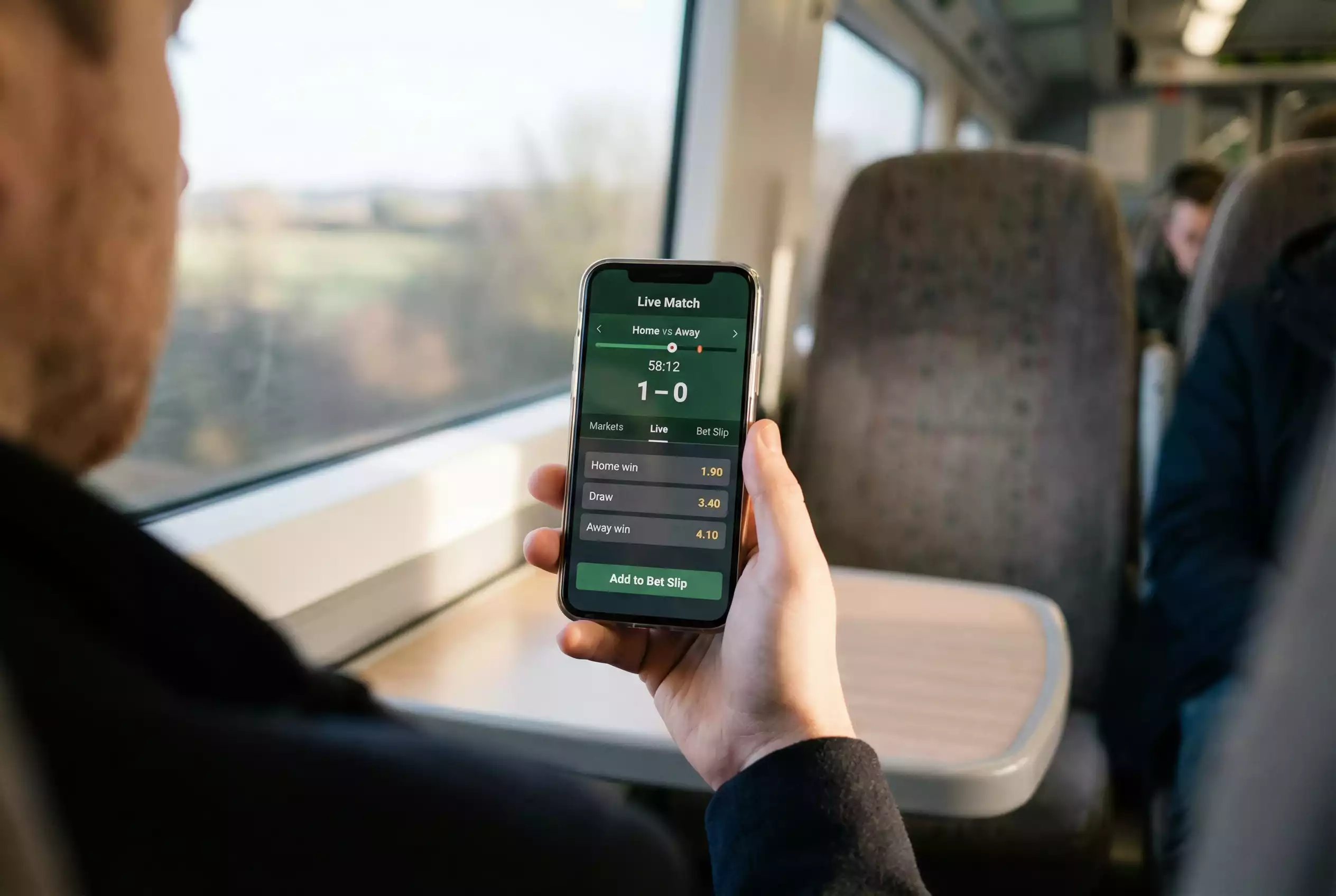
Mobile Gambling in Britain Today
Mobile devices now account for over 70% of UK gambling activity. The shift happened gradually, then suddenly—smartphones became powerful enough, connections fast enough, and interfaces good enough that desktop gambling started feeling antiquated. Today’s gambling operators build mobile-first, treating desktop as the secondary platform.
This transformation reflects broader behavioural changes. People carry powerful computers in their pockets constantly. Betting during live matches, playing slots during commutes, and accessing casino games from anywhere became not just possible but normal. The convenience is genuine; so are concerns about accessibility enabling impulsive behaviour.
UK operators have responded by investing heavily in mobile experiences. Dedicated apps, responsive websites, and mobile-optimised interfaces now represent standard offerings rather than competitive advantages. The baseline quality has risen dramatically—even mediocre operators deliver functional mobile gambling.
For players, mobile gambling provides flexibility that desktop can’t match. You’re not tethered to a specific location. You can play during otherwise unused moments. You can access your accounts instantly when desired. These conveniences are real and valuable for those who want them.
The technology continues evolving. 5G connections reduce latency for live dealer games. Larger phone screens improve visual experiences. Biometric login eliminates password friction. Each improvement makes mobile gambling smoother, which benefits users while potentially reducing natural barriers to impulsive play.
Understanding mobile options—apps versus browsers, casino versus betting, feature differences between platforms—helps you choose approaches that match your preferences and support responsible engagement.
Mobile Apps vs Browser Play
Both approaches work for mobile gambling. Dedicated apps and mobile browser sites deliver similar functionality with different trade-offs worth understanding.
Native apps install from Apple App Store or Google Play Store. They occupy device storage, appear on home screens, and can send push notifications. Apps typically offer smoother performance—faster loading, more responsive interfaces, better integration with device features like Touch ID and Face ID for login. The experience feels more polished and app-like than browser alternatives.
App availability varies between iOS and Android. Apple’s stricter policies historically limited gambling app availability, though UK-licensed operators generally achieve App Store approval. Android offers both Play Store apps and direct APK downloads from operator websites, providing more installation options.
Browser-based mobile gambling requires no installation. Navigate to the operator’s website, log in, and play. Progressive Web App technology enables app-like experiences through browsers, including home screen shortcuts and offline functionality. Browser play avoids app storage costs and works identically across all devices with modern browsers.
Feature parity between apps and browsers has largely converged. Most operators ensure their browser experience matches app functionality. Bonuses, games, account management, and customer support work identically. The differences are experiential—feel and polish—rather than functional.
Notifications represent a genuine difference. Apps can push notifications about promotions, bet results, and account activity. Browser sites can’t push notifications in the same way. Whether this is advantage or disadvantage depends on your perspective—notifications can inform or annoy, remind or tempt.
Choose based on your preferences. If you value smooth experiences and don’t mind app storage, download apps for your primary gambling sites. If you prefer avoiding installations or gambling across many sites, browser play provides adequate functionality without device clutter.
Best Mobile Casino Experience
Mobile casino gaming has matured beyond shrunken desktop interfaces. The best mobile casinos are designed specifically for touch screens and smaller displays, creating experiences that feel native rather than adapted.
Game selection on mobile now rivals desktop. Slots translate naturally to mobile—tap to spin, watch results, repeat. Modern slot providers design games mobile-first, ensuring all features work on touch screens. Table games require more adaptation, but solutions exist: portrait-mode blackjack interfaces, streamlined roulette betting, and redesigned baccarat layouts.
Live casino on mobile demonstrates impressive technical achievement. Streaming video, betting interfaces, and chat functions compress onto phone screens without losing functionality. The experience differs from desktop—smaller video, more compact controls—but remains fully playable. Strong WiFi or 4G/5G connections are essential; live streaming over weak connections degrades rapidly.
The best mobile casinos prioritise navigation simplicity. Finding games, accessing accounts, and managing deposits should require minimal taps. Cluttered interfaces that work on desktop monitors become frustrating on phones. Clean design indicates mobile-first thinking; cramped complexity suggests adapted desktop designs.
Touch controls matter more than you might expect. Betting adjustments, game selections, and spin buttons should respond instantly to taps. Lag or missed touches create frustration. Well-designed mobile casinos invest in responsive interfaces that feel immediate and precise.
Major UK operators including bet365, 888, Betway, and LeoVegas deliver strong mobile casino experiences. Each approaches design differently, but all provide functional, attractive mobile casino access. Testing different operators reveals which design philosophy matches your preferences.
Best Mobile Betting Apps
Sports betting arguably benefits from mobile more than casino gaming. Betting during live events, checking odds while watching matches, and placing wagers anywhere sport happens aligns perfectly with mobile’s portability. The best betting apps capitalise on these advantages.
Speed matters critically for sports betting. Odds change constantly during live events; placing bets requires quick access and instant execution. The best betting apps minimise taps between opening the app and confirming a bet. Navigation to popular markets should be immediate; bet slip functionality should be seamless.
bet365’s app sets industry benchmarks. Clean interface, fast performance, comprehensive market coverage, and reliable live streaming combine into the most complete mobile betting experience. Their investment in mobile technology shows in every interaction.
Betfred offers strong mobile functionality with simpler design philosophy. Less visual sophistication but equally functional betting—ideal for those who prioritise speed over aesthetics.
Paddy Power brings characteristic personality to mobile with engaging design and social features. Their bet builder integration works smoothly on mobile, and their promotional approach translates well to app format.
William Hill delivers reliable mobile betting backed by brand heritage. Their app may lack cutting-edge design but provides consistent functionality without surprises.
Live streaming integration differentiates betting apps. Watching matches directly within the betting app while placing in-play bets creates compelling mobile experiences. Not all operators offer streaming for all events; check coverage for sports you follow before committing to one app.
Push notifications keep you informed of results, odds movements, and promotional offers. Configure these thoughtfully—useful for bet confirmations and results, potentially problematic for promotional bombardment encouraging additional betting.
Optimising Your Mobile Gambling
Technical setup affects mobile gambling quality more than most players realise. Connection strength, device settings, and practical choices influence experience significantly.
WiFi connections generally outperform mobile data for consistent quality. Live streaming, in particular, benefits from WiFi stability. If using mobile data, 4G minimum is necessary; 5G provides headroom for demanding applications. Weak 3G connections make mobile gambling frustrating at best, impossible at worst.
Battery considerations matter for extended sessions. Gambling apps, especially those streaming live content, consume significant power. Monitor battery levels during play; dying mid-session creates problems ranging from annoying (lost bonus progress) to costly (missed cash-out opportunities).
Screen brightness and settings affect both visibility and battery life. Outdoor gambling on bright days may require maximum brightness, draining batteries faster. Adjusting settings to match conditions extends usable play time.
Biometric login features (Touch ID, Face ID) provide convenience without sacrificing security. Enable these where available—they’re faster than passwords and more secure than staying logged in. Most gambling apps support biometric authentication for both login and transaction confirmation.
Keep apps updated. Updates often include security patches, bug fixes, and performance improvements. Outdated apps may have vulnerabilities or functional problems that current versions have resolved.
Manage notification preferences actively. Turn off promotional notifications if they tempt unnecessary gambling. Keep transactional notifications (deposit confirmations, bet results) for useful information. Finding the right balance prevents notification overload while maintaining awareness of account activity.
Responsible Mobile Gambling
Mobile gambling’s convenience creates responsibility challenges that desktop gambling doesn’t present. The same accessibility that lets you bet during live matches lets you gamble impulsively at any moment. Recognising these dynamics helps manage them.
The always-available nature of mobile gambling removes natural barriers. Desktop gambling required being at a computer; mobile gambling is possible wherever your phone is—which is everywhere. This availability can enable impulsive decisions that physical constraints previously prevented.
Set deposit limits through your gambling accounts. These limits work identically on mobile and desktop, preventing deposits beyond your predetermined threshold regardless of how you access the site. Setting limits when thinking clearly protects against decisions made when judgment is impaired.
Use time limits and reality checks available on UK-licensed apps. Session reminders interrupt play to prompt conscious decisions about continuing. These interruptions feel annoying when you want to keep playing—which is precisely when they’re most valuable.
Consider removing gambling apps during vulnerable periods. Uninstalling apps creates friction that browser gambling or reinstallation doesn’t eliminate but does slow down. The few minutes required to reinstall might provide enough pause for impulsive urges to pass.
Don’t gamble while intoxicated, emotional, or otherwise compromised. Mobile access makes gambling available during states when judgment is impaired. The convenience that lets you bet during a fun evening also lets you chase losses while drunk at 2am. Your sober self should set boundaries your impaired self can’t easily circumvent.
GamStop self-exclusion works across all UK-licensed mobile gambling, blocking both apps and browser access. If mobile gambling accessibility is creating problems, GamStop provides comprehensive exclusion regardless of access method.
Mobile gambling offers genuine convenience for those who use it responsibly. The technology isn’t the problem; it’s how you engage with it that determines whether mobile access enhances or harms your gambling experience.