
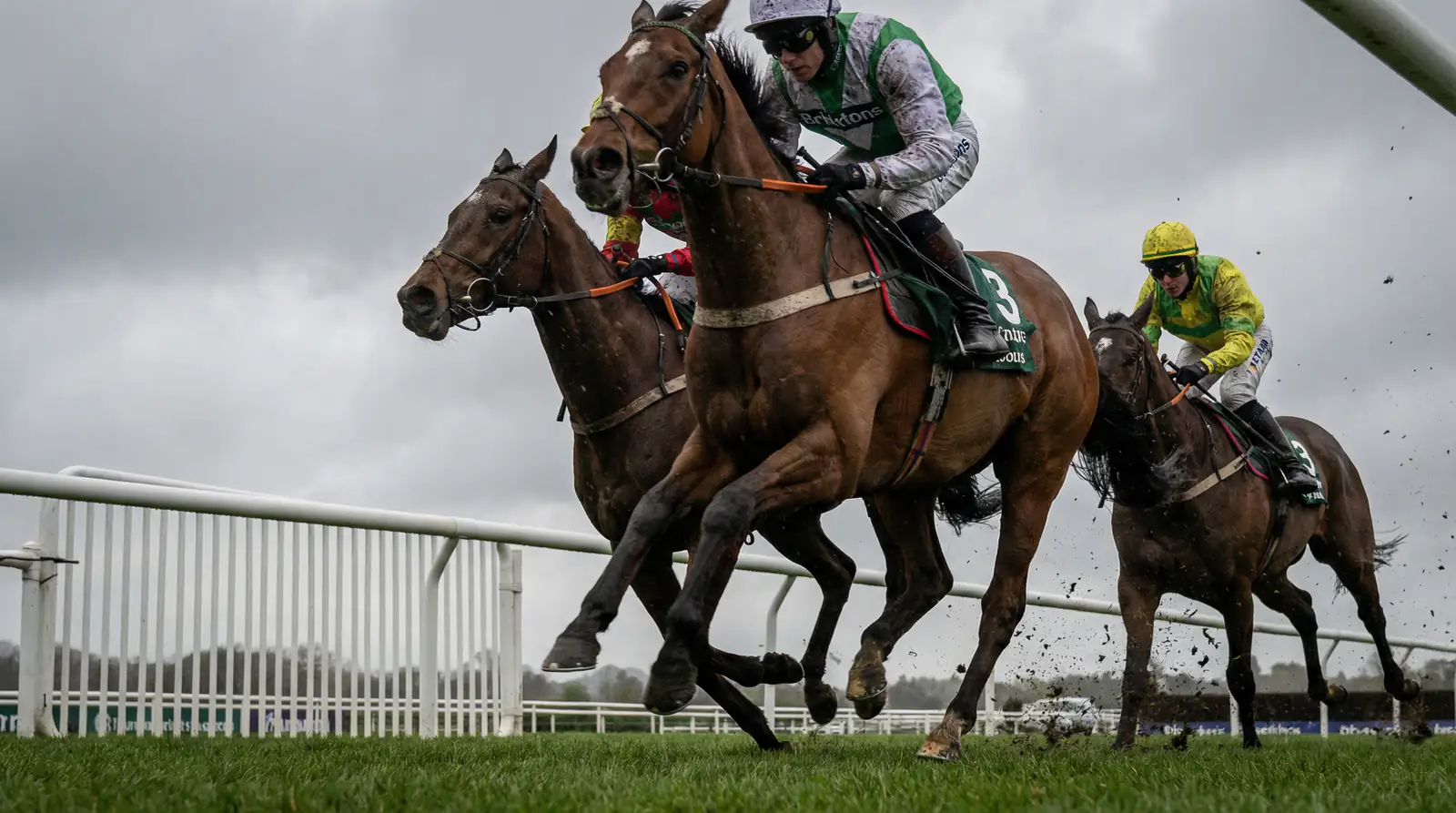
Horse Racing Betting in Britain
Horse racing betting predates every other form—and its sophistication shows. While football betting evolved around simpler match outcomes, racing developed complex market structures over centuries. Starting prices, place terms, each-way mechanics, and ante-post markets emerged from racecourse betting rings long before the internet existed. This heritage gives racing betting a depth unmatched by any other sport.
The infrastructure supporting British racing is substantial. Fixtures run nearly every day at courses across England, Scotland, Wales, and Ireland. Flat racing dominates spring through autumn; National Hunt (jumps) takes over through winter. Each day offers multiple meetings with numerous races, creating constant betting opportunities for those who want them.
Racing betting differs fundamentally from team sports. The number of competitors in each race—anywhere from five to forty—creates different probability dynamics. Analysing individual horses rather than team units requires different skills. The role of jockeys, trainers, course conditions, and distance adds layers of complexity absent from most sports. These factors make racing simultaneously more challenging and more rewarding for those willing to develop expertise.
Traditional betting shops built their businesses around racing, and many retain racing heritage despite football’s dominance. The shop experience—studying form on paper, watching races on screens, collecting winnings from cashiers—remains culturally significant even as online betting grows. Racing punters tend toward older demographics and more methodical approaches than football’s impulse bettors.
The relationship between racing and gambling is symbiotic. Prize money derives substantially from betting levies. Racecourse attendance often correlates with betting interest. The sport’s media coverage exists partly because betting audiences justify broadcasting costs. This integration runs deeper than any other sport, making racing inseparable from its betting ecosystem.
For new bettors, racing’s complexity can intimidate. The terminology alone—going, handicaps, weight-for-age, claiming races—creates barriers football never presents. Yet this complexity also creates opportunity: where there is more to learn, there is more potential for knowledge to provide edge. Those who develop genuine expertise in racing can sometimes outperform markets more efficiently than in simpler sports.
Types of Horse Racing Bets
Each-way betting alone requires more explanation than most football markets combined. The variety of racing bet types reflects the sport’s long gambling history, with each structure designed for different purposes and risk appetites.
Win bets are simplest: pick the winner, receive the displayed odds if successful. Nothing to add, nothing to complicate. Win betting suits confident selections where you believe a horse has realistic winning chances. It also offers the purest odds without the place-term dilution of other formats.
Place bets pay if your selection finishes in a certain number of top positions, regardless of winning. Place terms depend on field size and race type: in a race with eight or more runners, typically the first three places pay; smaller fields might offer only two places; large handicaps at major festivals sometimes pay four or five places. Place odds are fractions of the win odds—commonly one-quarter or one-fifth—reflecting the increased probability of success.
Each-way betting combines win and place into a single stake. Your bet is split: half on winning, half on placing. If your horse wins, both portions pay (win odds plus place odds). If it places without winning, only the place portion pays. Each-way suits situations where you fancy a horse but aren’t confident enough for win-only—the place insurance softens losses when you finish close but not first.
Forecasts predict the first two finishers in correct order. Straight forecasts require exactly right order; reversed forecasts cover both permutations at double the stake. Combination forecasts cover multiple horses across both positions, multiplying stakes with each added selection. These bets offer attractive odds but low probability; treat them as occasional fun rather than regular strategy.
Tricasts extend the concept to first three finishers in order. The probability decreases substantially—picking three horses from a twelve-runner field in exact order is genuinely difficult. Tricast dividends can reach thousands of pounds from small stakes, which explains their appeal. The maths works against you, but the payoff when everything aligns creates memorable moments.
Accumulators work in racing just as in football: combine multiple selections, all must win. Racing accumulators commonly run across cards, taking one selection per race. The margins compound identically to football—each leg adds to your disadvantage—but the daily meeting structure makes racing accumulators feel natural to many punters.
Ante-post betting places wagers on races weeks or months ahead, typically for major events. Odds may be more generous because they’re set before final declarations, but you accept risk: if your horse withdraws, you lose your stake without a race being run. Stakes are rarely returned for non-runners in ante-post markets, making them suitable only for those comfortable with this additional risk layer.
Understanding Racing Odds
Racing odds work differently—understanding them is essential. While fixed odds dominate most sports betting, racing retains features from its bookmaking origins that create both complexity and opportunity.
Starting price is the official odds at race-off, determined by on-course bookmakers. Betting shops historically settled bets at SP, guaranteeing the market price regardless of when you placed your bet. Online, SP bets remain available for those who prefer market-determined odds to early prices. Taking SP makes sense when you expect odds to drift (lengthen) before the race; it’s disadvantageous when you expect them to shorten.
Early prices open in the morning and fluctuate throughout the day based on betting patterns. Money for a horse shortens its odds; lack of support lets odds drift. Taking early prices locks in those odds regardless of subsequent movement. Skilled punters who spot value in morning prices before the market corrects can secure significantly better odds than SP.
Best odds guaranteed promotions offer whichever is higher: your taken price or SP. If you back a horse at 8/1 in the morning and it drifts to 10/1 by race time, you receive 10/1. If it shortens to 5/1, you still receive your locked 8/1. Most major bookmakers offer BOG on UK and Irish racing, eliminating downside risk from early price-taking. This promotion provides genuine value and should influence where you place racing bets.
Market movements convey information. Sharp shortening often indicates significant money from informed sources—connections, those with inside knowledge of horse wellbeing or fitness. Drifting might indicate concerns or simply balanced book-making. Learning to read market movements takes experience but adds a dimension to racing analysis absent from sports with simpler betting structures.
Tote pools offer alternative odds determined by total pool division rather than fixed prices. Pool betting sometimes produces better returns on outsiders when bookmaker margins compress popular selections. Understanding when Tote offers value requires comparing pool odds to fixed equivalents—possible for exacta/trifecta pools but harder for win pools before race settlement.
Reading Form and Statistics
Form analysis is deep—but accessible basics can improve your selections. The racing form book contains decades of recorded history: past performances, times, weights, conditions. Professional punters spend hours analysing this data. Casual bettors can apply simpler principles that capture much of the value without requiring professional commitment.
Recent form provides the starting point. Figures beside each horse’s name show finishing positions in recent races, with 1 indicating a win and larger numbers indicating lower placings. A horse showing 1-2-1-3 has been performing consistently well; one showing 0-8-7-6 has been struggling. These figures need context—what grade of race, what conditions—but offer quick initial filtering.
Going preferences matter significantly. “Going” describes ground conditions from firm to heavy. Some horses thrive on quick, firm ground; others excel when it’s soft and testing. A horse’s record on today’s going predicts performance more reliably than overall record. Check past performances on similar ground; a horse unbeaten on soft ground may have won those races for reasons relating specifically to conditions.
Course form reveals horses that handle specific tracks well. Undulating courses, tight turns, long straights—each configuration suits different running styles. A horse with multiple wins at today’s venue demonstrates ability to handle its characteristics. First-time course visitors carry more uncertainty, which may or may not be reflected in odds.
Trainer and jockey statistics indicate professional competence. Strike rates—percentage of runners that win—reveal who performs above average. Some trainers excel at specific race types; some jockeys dominate at certain courses. Combinations of trainer-jockey partnerships sometimes produce results exceeding individual statistics. Major racing publications track these statistics systematically.
Class levels determine competition quality. Horses rise and fall through class based on performance. A horse dropping from higher class brings experience against better opposition; it may find today’s field easier. Conversely, horses rising in class face stiffer tests than their recent form suggests. Handicap marks assign weights designed to equalise chances; well-handicapped horses carry less weight than their ability deserves.
None of this guarantees success—racing remains uncertain—but systematic form analysis provides foundation for informed rather than random selection.
Major Racing Events
The biggest racing events attract millions in bets—and special offers. These occasions transcend regular racing, drawing casual punters who bet once or twice yearly alongside hardened regulars. Bookmakers respond with enhanced promotions, creating genuine value opportunities among the noise.
The Grand National at Aintree remains Britain’s most-bet race. Up to 34 runners (reduced from 40 in 2024 for horse welfare reasons) over four miles of challenging fences creates chaotic competition where anything can happen. The unpredictability makes it genuinely random in ways more structured races avoid—form analysis helps but guarantees nothing when falls eliminate contenders. Bookmakers offer extensive promotions: extra places, enhanced odds, money-back specials. Casual once-a-year punters sustain these offers; serious bettors can exploit them.
Cheltenham Festival in March brings four days of championship jump racing. Each race features the best horses in their category, creating quality the regular calendar can’t match. The atmosphere—both at course and in betting shops nationwide—intensifies everything. Ante-post markets run for months beforehand, with odds shifting dramatically as the festival approaches. Getting value at Cheltenham means betting early enough to secure prices before the market fully forms.
Royal Ascot offers flat racing’s equivalent spectacle. June’s meeting combines elite competition with social occasion, drawing mainstream attention that regular flat racing lacks. The Queen’s presence (historically) added ceremonial weight. Betting-wise, quality fields produce genuine form puzzles where analysis can differentiate serious bettors from casual money following names.
The Derby at Epsom crowns the premier Classic three-year-old race. June’s running determines breeding values worth millions, adding commercial stakes to sporting ones. Derby winners come from small pools of elite horses, making ante-post selection more manageable than handicap chaos.
Each major event brings promotional opportunities. Best odds guaranteed extends to higher limits. Enhanced place terms pay four, five, or more places. Free bets for new and existing customers multiply around festivals. Navigating these offers intelligently can offset margin in ways unavailable during ordinary racing.
Approaching Racing Betting
Racing rewards dedication—casual punters should expect to pay for entertainment. The sport’s complexity means surface-level analysis rarely outperforms bookmaker pricing. Those who develop genuine expertise through sustained study can find edges; those who bet casually are essentially paying for the experience of engagement.
Specialisation improves results. Attempting to analyse every race across every meeting spreads attention too thin. Focusing on specific tracks, specific race types, or specific trainers allows deeper knowledge accumulation. Some profitable racing punters concentrate entirely on two-year-old maidens; others specialise in novice hurdles at northern tracks. Finding your niche and developing expertise within it outperforms surface-level breadth.
Bankroll management applies as strictly to racing as any gambling. The sport’s frequency—races every hour throughout the day—creates temptation toward overtrading. Set daily limits on both stakes and number of bets. The availability of constant action doesn’t obligate participation; selectivity improves results while protecting bankroll.
The entertainment approach makes sense for most. If you enjoy following racing, placing small bets enhances that enjoyment. Accepting modest losses as entertainment cost keeps perspective appropriate. The goal becomes maximising enjoyment per pound spent rather than generating profit—a realistic framing that avoids the frustration of expecting returns that rarely materialise.
For those pursuing profit seriously, the path requires work. Study form systematically. Track your bets meticulously. Analyse why winners won and losers lost. Develop models or methods that can be tested against historical results. This level of commitment resembles part-time employment; the financial return needs to justify the time invested. Most who attempt serious racing betting discover the effort exceeds the reward—valuable information that prevents wasted years.
Racing betting offers genuine depth for those who want it and straightforward entertainment for those who don’t. Matching your approach to your actual goals determines whether the experience satisfies or frustrates.