
Online Bingo in Britain
Bingo has been part of British leisure culture for nearly a century, from seaside resort halls to working men’s clubs to purpose-built bingo palaces that dominated high streets before the digital revolution. The move online didn’t kill bingo—it transformed it into something more accessible, more varied, and rather more complicated than shouting numbers in a crowded room.
UK online bingo attracts a demographic distinct from typical casino players. The audience skews female and older than the average online gambler, though these generalisations are becoming less accurate as the market matures. What remains constant is the social element—online bingo preserves the chat, the community, and the shared anticipation that makes the game more than simple number-matching.
The mechanics are familiar to anyone who’s played traditional bingo. Numbers are called, you daub them on your card, and completing a pattern wins prizes. Online platforms automate the daubing, eliminating missed numbers and allowing multiple cards per game. This automation changes the experience more than newcomers might expect—playing twenty cards simultaneously bears little resemblance to concentrating on one physical ticket.
UK Gambling Commission licensing governs all legitimate bingo operations. This means tested random number generators, fair game conditions, and regulatory protection for players. The industry has consolidated significantly, with a handful of major networks operating dozens of branded sites each. Different brand names often share the same software, same game rooms, and same player pools.
Types of Online Bingo
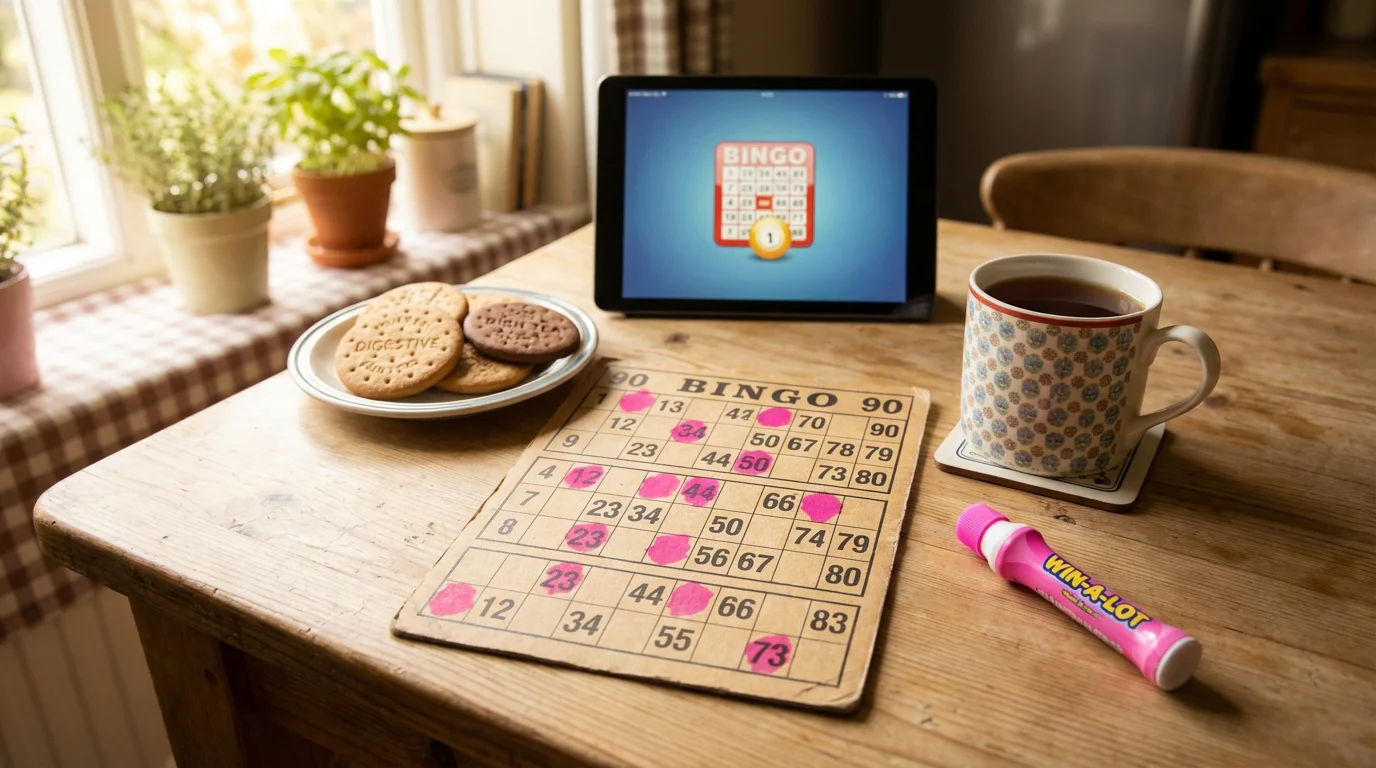
90-ball bingo is the traditional British format. Cards contain fifteen numbers arranged in three rows and nine columns. Winning patterns progress through one line (any horizontal row completed), two lines, and full house (all fifteen numbers). Most UK bingo rooms run 90-ball as their primary game, and it’s what British players instinctively expect when they hear “bingo.”
75-ball bingo arrived from America and has found a substantial UK audience. Cards are 5×5 grids with the centre square typically free. Winning patterns vary dramatically—lines, diagonals, corners, letters, shapes, and elaborate themed designs. This variety keeps gameplay fresher over extended sessions. Many sites run both formats to satisfy different preferences.
80-ball bingo occupies middle ground with a 4×4 grid. Patterns tend toward columns and lines rather than 75-ball’s more creative shapes. The format exists largely because operators wanted something different without the full learning curve of American-style bingo.
Speed bingo variants compress games into faster timeframes. Thirty-ball bingo uses a 3×3 card where completing the grid wins immediately. Flash bingo and similar rapid formats call numbers at accelerated rates. These games appeal to players wanting quick results without extended sessions—though the faster pace can accelerate spending correspondingly.
Hybrid games combine bingo mechanics with slot-style features. Cards might include bonus squares, multipliers, or progressive jackpot triggers. These innovations blur the line between bingo and casino games, often featuring higher prizes alongside higher costs per card. Traditional bingo players sometimes dismiss them; others appreciate the added excitement.
Deal or No Deal bingo, Monopoly bingo, and other branded variants attach familiar intellectual properties to standard mechanics. The licensing adds thematic elements without fundamentally changing gameplay. Whether a brand name enhances your experience depends entirely on personal preference—the mathematics underneath remain comparable to unbranded alternatives.
Choosing Bingo Rooms
Ticket prices determine both your exposure and your potential returns. Penny bingo rooms let you play for trivial amounts, extending entertainment time at the cost of minimal prizes. Premium rooms might charge £1 or more per ticket, with prize pools to match. Your budget should dictate your room selection—playing expensive rooms with inadequate bankroll shortens sessions uncomfortably.
Player count affects win probability directly. A room with fifty players means roughly 2% chance of winning any given prize, assuming equal ticket distribution. A room with five hundred players drops that to 0.2%. Larger rooms offer bigger jackpots; smaller rooms offer better odds. Neither is objectively superior—they serve different preferences.
Progressive jackpots accumulate across games until someone wins, typically by achieving a full house within a specified number of calls. These jackpots can reach substantial sums, adding excitement to routine play. The mathematical contribution to these pools comes from every ticket sold, reducing regular prize money proportionally. You’re essentially funding the jackpot with each purchase.
Scheduled rooms run at fixed times with guaranteed prize pools regardless of ticket sales. Free-flowing rooms operate continuously with prize pools determined by participation. Scheduled games with guaranteed prizes offer better value when attendance is low—fewer players splitting the same money. Peak hours typically mean worse value for scheduled games and better liquidity for continuous rooms.
Chat games within bingo rooms offer additional prizes for participating in hosted activities. These mini-games might involve quizzes, riddles, or simple first-to-type competitions. They’re free to enter and provide genuine extra value for players who engage with the community aspect. Ignoring chat games leaves prizes unclaimed that you’ve already technically paid for through ticket purchases.
Bingo Bonuses and Promotions
Welcome bonuses at bingo sites typically offer funded accounts or bonus cash for initial deposits. A common structure: deposit £10, receive £40 bonus, giving £50 total to play with. These offers look generous but come with wagering requirements that complicate actual value. Reading terms before depositing prevents disappointment when withdrawal time arrives.
Wagering requirements for bingo bonuses work differently than casino equivalents. Bingo requirements often specify how many times you must purchase tickets, not how much money must be staked. A 4x requirement on a £40 bonus means buying £160 worth of bingo tickets before withdrawing winnings. This takes longer than it sounds, especially at penny stakes.
Free bingo rooms let new players participate without spending. These rooms offer smaller prizes but require no ticket purchase. Most sites restrict free bingo to new registrations or specific hours. The value is modest—a few pounds won’t change your life—but genuine free play does exist for those willing to seek it out.
Reload bonuses incentivise continued deposits after your initial welcome offer expires. These ongoing promotions offer smaller percentages than welcome deals but repeat indefinitely. Regular players should factor reload offers into site selection—a site with consistent 25% weekly bonuses might outperform one with a spectacular one-time offer.
Loyalty programmes accumulate points from ticket purchases, convertible to bonus funds, free cards, or shop merchandise. VIP tiers offer improved rates and exclusive promotions for high-volume players. These programmes reward consistency—playing at one site continuously usually beats spreading action across multiple brands.
Promotional calendars at major bingo sites schedule events throughout the week. Jackpot nights, themed rooms, and special prizes run on predictable schedules. Learning your preferred site’s promotional rhythm helps you play when value is highest rather than whenever impulse strikes.
The Community Side of Bingo
Chat rooms distinguish online bingo from most gambling products. Each bingo room features a live chat panel where players converse throughout games. Chat moderators—often called CMs—host the room, running side games, celebrating winners, and maintaining a welcoming atmosphere. This human element creates genuine community in ways that slot machines or table games rarely achieve.
Regular players at a site often develop friendships through chat interactions. The same names appear nightly, conversations continue across sessions, and genuine connections form despite the virtual medium. For players seeking social contact alongside gambling entertainment, this community aspect provides value beyond financial outcomes.
Chat etiquette matters in bingo communities. Celebrating wins gracefully, congratulating others, avoiding negativity when losing—these social norms maintain room atmosphere. Most sites enforce conduct standards through moderator warnings, chat muting, or account restrictions. The community polices itself to some extent; persistent negativity draws collective disapproval.
Some players prefer minimal chat interaction. Auto-daub functionality means you can participate in games while ignoring the social element entirely. This approach is perfectly valid—not everyone wants conversation while gambling. Sites accommodate both gregarious chatters and silent participants without forcing interaction on anyone.
Chat hosts develop followings among regular players. A well-liked CM draws players to specific sessions regardless of prizes. This personality-driven element creates something like loyalty to individuals rather than just brands. When favourite hosts move between sites, player migration sometimes follows.
Finding Good Bingo Sites
Network affiliation determines your actual playing experience more than brand names suggest. Dragonfish, Virtue Fusion, and Playtech operate most UK bingo sites as white-label operations. Sites on the same network share software, game rooms, and player pools despite different branding. Choosing between two Dragonfish sites means choosing between marketing rather than substance.
Withdrawal processes vary significantly between operators. Some sites process e-wallet cashouts within hours; others take days regardless of method. User reviews and forum discussions provide more accurate withdrawal expectations than site marketing. Players who’ve actually cashed out know the reality; promises are just promises.
Mobile apps have become standard for bingo operators. Most games play identically on mobile devices, with touch interfaces suited to simple ticket purchasing and auto-daubing. App quality varies—some crash frequently, others drain batteries, a few work smoothly. Testing apps before committing significant deposits prevents frustration.
Side games complement bingo at every major site. Slots, instant wins, and mini-games fill time between bingo rounds or provide alternative entertainment. These games typically carry higher house edges than bingo itself. They’re fine as occasional diversions but shouldn’t become your primary spending category without understanding the mathematics.
Customer support quality reveals operator priorities. Live chat availability, response times to queries, and fair resolution of disputes indicate how a site treats players. Testing support before problems arise—asking a simple question via chat—shows you what to expect if genuine issues emerge later.
Playing Bingo Responsibly
Bingo’s social nature and relatively low stakes can obscure its gambling reality. Buying tickets is gambling. Losses accumulate. The house has an edge. These facts remain true regardless of chat room friendliness or community atmosphere. Treating bingo differently from other gambling because it “doesn’t feel like gambling” is a cognitive trap worth avoiding.
Auto-play features and rapid game cycles can accelerate spending beyond awareness. What seems like casual play might involve dozens of tickets per hour across multiple rooms. Setting deposit limits before sessions—and respecting them—prevents the gradual creep that characterises problem gambling development.
The community aspect of bingo can create unhealthy patterns. Feeling obligated to play because friends expect you, avoiding rooms because losing is embarrassing, or spending to maintain chat relationships—these dynamics deserve recognition and management. Social gambling is still gambling.
Session time awareness matters. Hours pass quickly in engaging bingo rooms, especially with chat interaction filling gaps between games. Setting time limits alongside spending limits ensures bingo remains entertainment rather than an all-consuming activity. The site will still exist tomorrow; the jackpot that just ended will be replaced by another.
UK bingo sites must provide responsible gambling tools including deposit limits, session reminders, cooling-off periods, and self-exclusion options. These tools exist because they’re needed. Using them proactively—before problems develop—is simply sensible. Bingo is entertainment, not employment, and managing it as such keeps the experience positive.