
How Live Betting Works
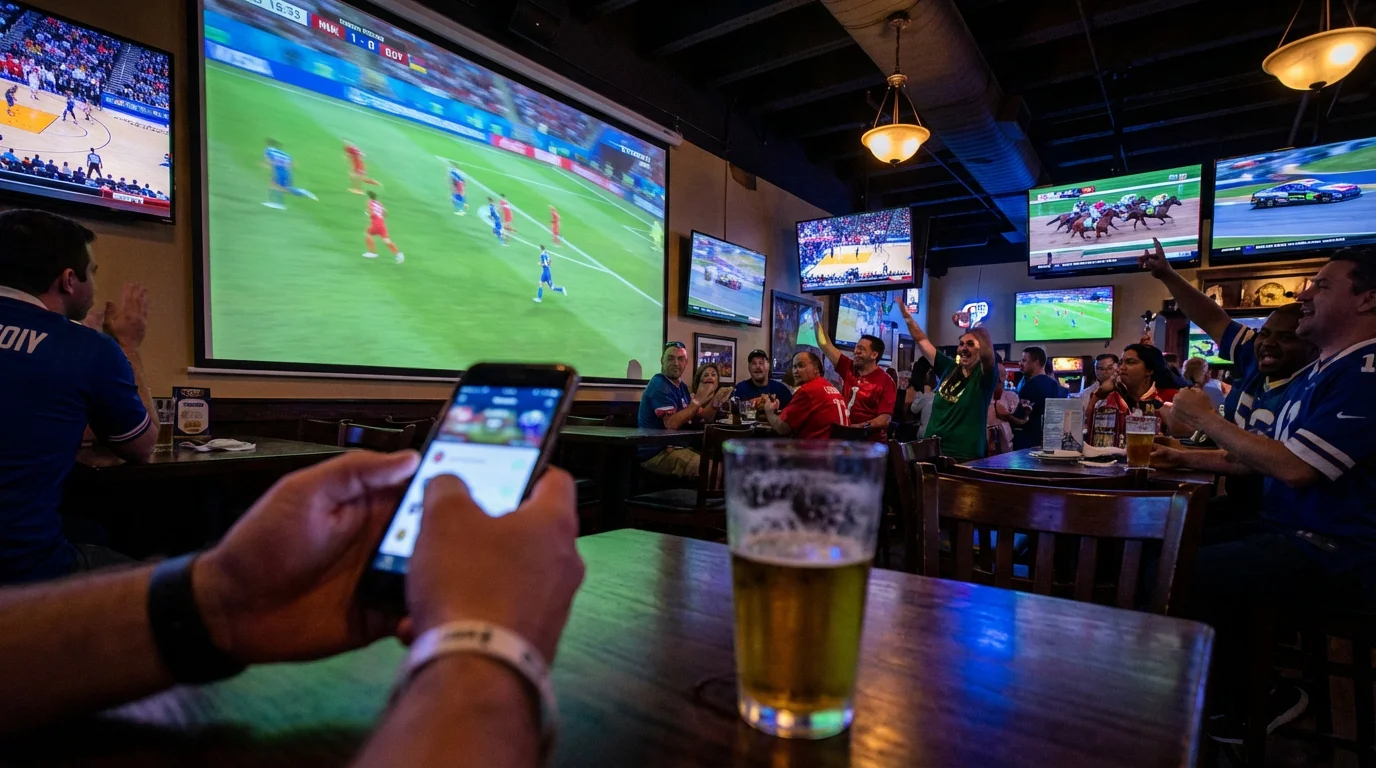
In-play betting lets you place wagers while events are happening. Unlike pre-match betting where odds are set and bets placed before kickoff, live betting offers constantly updating odds that respond to on-field action. Goals, red cards, momentum shifts—every development changes the prices instantly.
The technology enabling this is sophisticated. Bookmakers employ traders monitoring events in real-time, adjusting odds within seconds of significant moments. Automated systems handle much of the recalculation, but human oversight remains essential for unusual situations. The result is dynamic markets that track event probability as it evolves.
Placing in-play bets works similarly to pre-match betting—select your market, enter your stake, confirm the bet. The key difference is speed: odds may change between selecting and confirming. Most bookmakers offer “accept odds changes” options to prevent repeated bet rejections during volatile moments.
Market suspension occurs during critical moments. When a goal is scored, penalty awarded, or similar decisive event happens, markets suspend while traders reassess. You can’t bet during suspension; markets reopen with adjusted odds once traders have processed the new situation. This suspension prevents betting on outcomes that are already determined or nearly so.
The breadth of in-play markets often exceeds pre-match offerings. Beyond match results, live markets might include next goal scorer, next corner, next booking, correct score from current situation, and numerous propositions that only make sense during the event. This variety creates betting opportunities throughout match duration.
In-play betting now represents a substantial portion of total sports betting activity. The engagement of betting while watching—the immediate feedback, the dynamic involvement—appeals to many bettors more than placing pre-match bets and waiting hours for resolution.
Best Sports for In-Play Betting
Not all sports suit in-play betting equally. The best live betting sports combine frequent scoring or decisive moments, clear momentum shifts, and sufficient duration to develop in-play positions.
Football dominates in-play betting for good reason. Ninety minutes of play with typically two to three goals creates multiple opportunities for odds movement. Momentum shifts are observable—you can see when a team is pressing, when another is absorbing pressure. The pace allows time to assess situations before betting, unlike faster sports where moments pass too quickly.
Tennis offers excellent in-play dynamics. Games, sets, and points create constant odds fluctuation. Momentum in tennis is pronounced—a player who’s broken serve and serving for the set presents very different odds than when serving at 0-0. Individual sport dynamics mean no substitutes or tactical changes obscure what you’re watching; the two players’ form is directly visible.
Cricket, particularly T20 formats, generates continuous in-play action. Run rates, wickets, required rates, and power play dynamics create numerous betting angles throughout innings. Test cricket offers slower-paced in-play betting where session outcomes and match situation develop over hours rather than minutes.
Basketball’s high scoring means constant odds movement, but the pace can be overwhelming. Leads change rapidly; betting before the situation changes requires quick decisions. The final quarters of close games offer particular intensity, though bookmaker margins often widen as outcomes become more certain.
Horse racing offers in-running betting during races, though the brief duration limits activity. Watching your selection’s position and betting accordingly requires experience and quick judgment. Most racing bettors focus on pre-race markets; in-running is specialist territory.
Esports provides emerging in-play opportunities with game-specific dynamics varying by title. Counter-Strike rounds, League of Legends objectives, and Dota 2 team fights each create in-play betting moments that esports-knowledgeable bettors can exploit.
In-Play Betting Strategy
In-play betting rewards those who watch events closely rather than rely on statistics alone. The information advantage comes from seeing things before they’re reflected in odds—noticing a tired team, an injured player concealing a problem, or tactical shifts that change momentum.
Watch before betting. Having the event visible gives you information bookmaker traders might not have or might not have processed yet. Listening to commentary or following text updates provides less insight than seeing actual play. If you can’t watch, your information disadvantage makes profitable in-play betting harder.
Identify value in overreactions. Markets sometimes overcorrect after significant events. A team conceding an early goal might see their odds lengthen dramatically despite the match situation remaining recoverable. If the goal was against the run of play, odds might overstate the change in true winning probability. These overreactions create potential value.
Conversely, recognise when odds underreact. If a key player suffers an obvious injury but the market hasn’t fully adjusted, betting against that team before full adjustment can capture value. Speed matters here—traders eventually correct prices.
Pre-match analysis supports in-play decisions. Understanding team tendencies, typical match patterns, and likely responses to different situations before the event starts helps you recognise meaningful moments during it. In-play betting isn’t separate from pre-match analysis; it’s an extension of it.
Set stakes before matches begin. Emotional involvement during events leads to poor stake sizing. Decide maximum exposure per event in advance, when calm assessment is possible. Stick to those limits regardless of how the match develops.
Accept that speed creates disadvantage against professional traders. You’re betting into markets managed by people whose full-time job is processing event information. Acknowledging this asymmetry prevents overconfidence in your ability to consistently beat in-play markets.
Cash Out Explained
Cash out lets you settle bets before events conclude, taking a guaranteed return based on current odds rather than waiting for the final outcome. If your selection is winning, you can lock in profit early. If it’s losing, you can recover some stake rather than lose everything.
The cash out value reflects current odds and your original stake. A £10 bet at 5.00 (potential return £50) might offer £35 cash out when your selection leads but the outcome isn’t certain. You sacrifice potential £50 for guaranteed £35, protecting against late reversals.
Bookmakers build margin into cash out prices just as they do into odds. The cash out offer is typically less than mathematically fair value—the bookmaker profits whether you cash out or let the bet run. This margin means frequent cash out use costs money compared to letting bets resolve naturally.
Partial cash out allows settling a portion of your bet while leaving the rest active. Take £20 from that £35 cash out offer, leaving approximately 40% of the bet running at original odds. This balances security and continued upside.
Cash out appeals psychologically more than mathematically. Taking guaranteed profit feels good; watching potential winnings disappear after declining cash out feels terrible. These emotions can lead to poor decisions—cashing out winners too early and letting losers run too long is a common pattern that benefits bookmakers.
Use cash out strategically rather than emotionally. Ask whether the current cash out value exceeds your assessment of fair value given remaining uncertainty. If you’d back your selection at current odds, letting the bet run makes sense. If current odds seem too short given remaining risk, cash out has merit.
Don’t forget that not cashing out is itself a decision. Every moment you hold an active bet, you’re implicitly betting at current odds. Evaluate accordingly rather than treating your original bet as somehow committed regardless of how situations develop.
Choosing an In-Play Betting Platform
Platform quality matters more for in-play betting than pre-match. Speed, reliability, and market depth affect your ability to bet effectively when situations develop quickly.
Interface responsiveness determines whether you can act on opportunities. Laggy platforms where bet placement takes seconds rather than instant confirmation may mean missing desired odds. Test platform speed during busy events before committing significant activity.
Live streaming integration lets you watch and bet in one place. bet365, Betway, and other major operators offer extensive streaming coverage. Watching directly through the betting platform rather than switching between apps simplifies the in-play experience considerably.
Market depth varies substantially. Some operators offer comprehensive in-play markets—next goal, corners, cards, player props, and numerous other options. Others provide basic match result and over/under only. If you want varied in-play betting, verify market availability before choosing platforms.
Cash out functionality should work reliably. Some platforms offer cash out in theory but frequently display “unavailable” when you try to use it. Test cash out availability during live events to ensure the feature actually functions when needed.
Mobile app quality is particularly important for in-play betting, which often happens away from desktops. Apps should load quickly, display odds clearly, and process bets without excessive confirmation steps. The best in-play experiences feel smooth and immediate on mobile.
bet365 generally leads for in-play betting comprehensiveness and reliability. Their streaming coverage, market depth, and platform stability set industry standards. Other major operators including Betway, Paddy Power, and William Hill provide good alternatives with different strengths—compare based on sports you bet on and features you prioritise.
Managing In-Play Betting Risks
In-play betting carries specific risks beyond general gambling concerns. The speed, emotional involvement, and continuous availability create conditions where losses can accumulate quickly without the natural pauses that pre-match betting provides.
Set session limits before events start. Decide maximum stakes per match when you’re thinking calmly, not during exciting moments when stakes feel trivial. Write the limit down; hold yourself to it regardless of what happens during play.
Avoid chasing during events. Losing an in-play bet and immediately placing another to recover is classic chasing behaviour. The temptation is particularly strong in-play because opportunities keep arising. Recognise this pattern and resist it.
Don’t confuse entertainment with edge. In-play betting is engaging—watching events and having money riding heightens every moment. This entertainment value is genuine but doesn’t mean you’re identifying value that bookmakers miss. Enjoying the experience and beating the market are separate things.
Alcohol and in-play betting mix poorly. The impulsive nature of live betting combined with impaired judgment from drinking produces particularly bad decisions. If you’re watching sport socially with drinks, consider not betting at all rather than making choices you’d avoid sober.
Take breaks during long events. Tennis matches, cricket innings, and multi-game betting sessions can last hours. Stepping away periodically prevents fatigue-driven mistakes and reminds you that continuing to bet is optional.
Use responsible gambling tools proactively. Deposit limits prevent excessive funding. Loss limits cap cumulative damage. Reality check reminders interrupt betting flow. These tools exist because operators know in-play betting can become problematic; using them isn’t weakness but sensible self-management.
In-play betting can be enjoyable entertainment that enhances sports watching. It can also accelerate harmful patterns faster than other betting forms. The difference lies in approach—pre-set limits, emotional awareness, and honest assessment of whether your in-play activity is sustainable.
Find more betting guides at onlinegamblingsitesuk. Also read our betting odds guide.